Hosts often ask us which social media platform matters more for growing a short term rental business: Instagram or Facebook. It's a fair question, especially when time is limited and every hour spent on content is an hour not spent managing the property itself. The honest answer is that Instagram and Facebook do genuinely different jobs in a vacation rental marketing strategy — and the strongest short term rental brands use both, rather than picking a single winner.
Instagram: Discovery and Brand Building
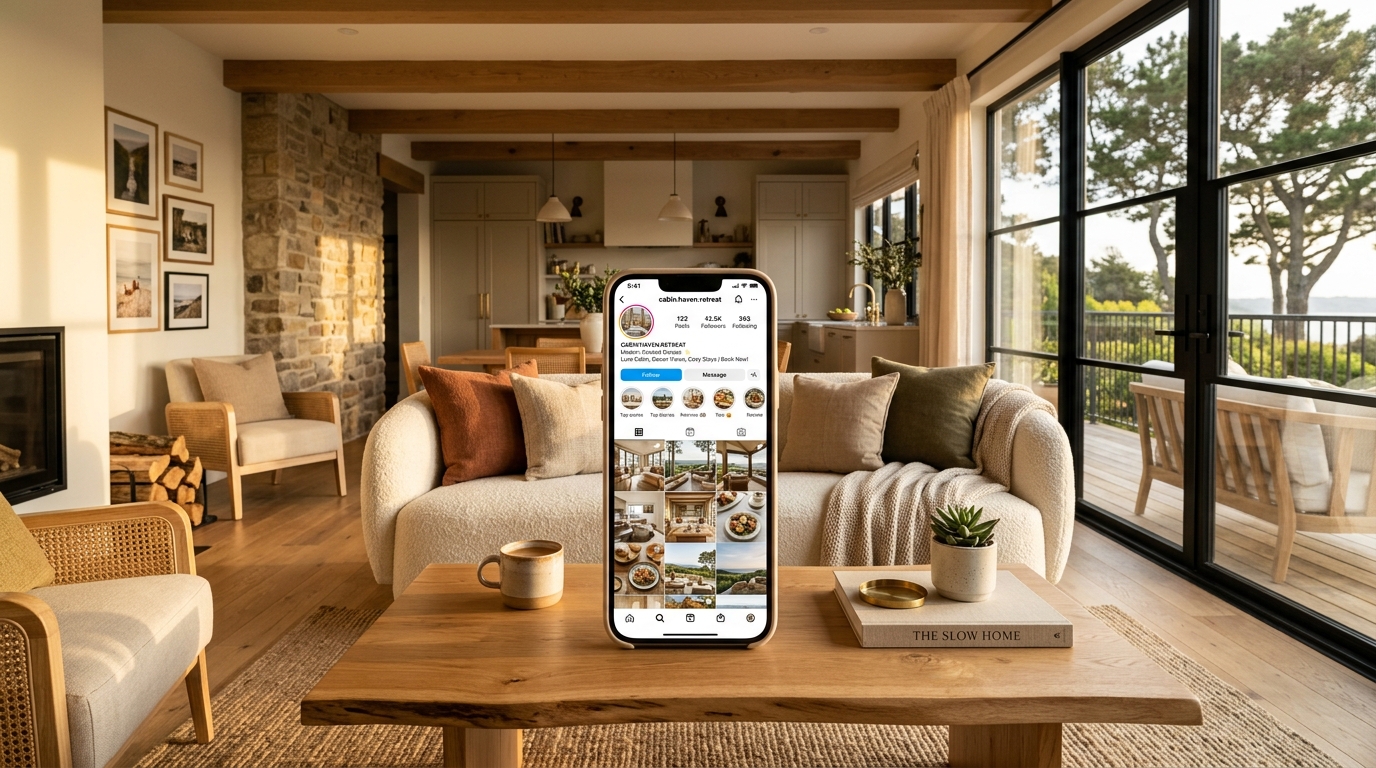
Instagram is primarily where new guests discover your property for the first time — through hashtags, location tags, Explore page recommendations, and shares from other accounts. It's a visual-first platform, which makes it the natural home for your best property photography and short-form video content, and it's where your brand's overall identity and aesthetic get built over time.
Because discovery on Instagram often happens through hashtags and location tags rather than existing connections, it's especially valuable for reaching travelers who have never heard of your property before. A well-optimized profile with consistent, high-quality content can genuinely bring in new guests who found you organically while researching their trip.
Instagram also tends to reward visually strong, frequent posting more directly than Facebook does, which is why most short term rental hosts should treat it as their primary platform if they only have the capacity to focus on one at first.

Facebook: Community and Repeat Guests
Facebook's audience tends to skew toward an older, more established demographic — a group that includes many past guests, local community groups, and travel planning groups where recommendations get shared frequently among friends and family. It's often a stronger platform for nurturing repeat bookings and word-of-mouth referrals than it is for pure cold discovery.
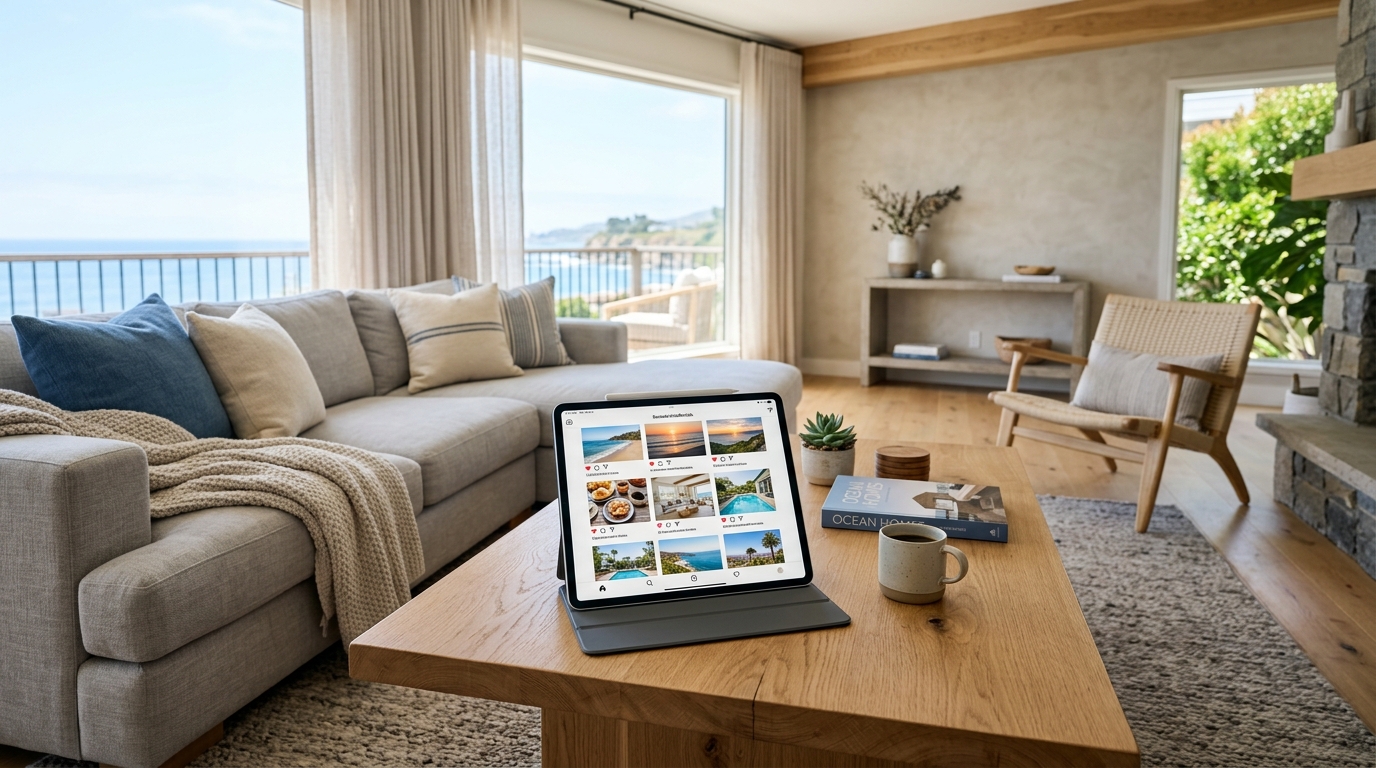
A Facebook Business Page also serves a slightly different functional purpose than Instagram: it's a place where guests can leave reviews, ask questions, message you directly, and share your page with friends who are planning a similar trip. These features make it a valuable hub for existing relationships, even if it's not always where new guests first discover you.
Local Facebook groups — travel groups, regional tourism groups, or even neighborhood groups near your property — can also be a surprisingly effective, low-cost way to reach travelers who are actively planning trips to your area.
Why Most Hosts Shouldn't Choose Just One
Because Instagram and Facebook serve different stages of the guest journey — discovery versus nurturing and community — relying on only one platform usually means leaving an entire category of potential bookings on the table. A host who's excellent on Instagram but absent from Facebook may be missing repeat guests and local referrals. A host who's active only on Facebook may be missing new travelers who are actively searching hashtags for their next trip.
The good news is that using both doesn't have to mean doubling your workload. Most content — a great property photo, a local area highlight, a guest testimonial — works well on both platforms with only minor adjustments to format and caption style.
Our Approach: Post to Both, Without Double the Work
Rather than treating Instagram and Facebook as two completely separate strategies requiring double the planning, we create content once and adapt it for both platforms, scheduling and posting to Instagram and Facebook from the same monthly content calendar. You get the combined reach and strengths of both platforms without managing two separate content workflows yourself.
If you've been putting off Facebook because Instagram already feels like enough to manage, that's exactly the kind of gap our done-for-you service is built to close.
A Simple Way to Decide Where to Start
If you're launching your social presence from scratch and have to choose a starting point, ask yourself which problem matters more right now: getting discovered by brand-new travelers, or staying connected with guests and community members who already know your property exists. If it's the former, start on Instagram. If it's the latter — for example, if you already have a strong base of repeat guests — Facebook may deliver faster results.
Either way, treat the choice as a starting point rather than a permanent decision. Most successful short term rental brands end up active on both platforms within their first year, simply because the two channels reinforce each other rather than compete for the same audience.
Tracking What's Actually Working on Each Platform
Once you're posting on both platforms, it's worth periodically checking which one is actually driving inquiries and bookings for your specific property, rather than assuming the general trends described above apply exactly the same way to your account. A quick, informal way to do this is simply asking new guests how they found you, and keeping a running note of the answers over a few months.
You may find that your particular audience — based on your property type, price point, or location — skews more heavily toward one platform than expected. That's valuable information, and it's exactly the kind of insight that should shape how you split your time and content between the two going forward, rather than following a generic rule forever.