
Airbnb and VRBO are excellent distribution channels for short term rentals, and for most hosts, they'll continue to be an important part of a healthy booking mix. But they're not your business — they're a marketplace you're renting space in. Fee structures, search algorithms, and platform policies can all change without warning, and when they do, hosts who depend entirely on platform traffic feel the impact immediately, with little recourse.
Building a brand and audience outside of those platforms is the single best form of protection a short term rental host can build for their business. This article explains why that matters, and how to start doing it without overhauling everything at once.
A Brand Is Something You Actually Own
A recognizable name, a consistent visual identity, and an audience that follows you directly are assets that exist independently of any single booking platform. If Airbnb changes its search ranking algorithm tomorrow, a host with an engaged Instagram following still has a reliable way to reach guests directly. A host with only a listing — no matter how well-reviewed — does not have that same fallback.
This distinction becomes especially important during periods of market change, whether that's increased competition in your area, new short term rental regulations, or shifts in how a platform prioritizes certain listings in search results. Hosts with an independent audience can weather those changes far more comfortably than hosts who are entirely dependent on one channel.

What 'Reducing Reliance' Actually Looks Like in Practice
Reducing reliance on Airbnb and VRBO doesn't mean abandoning them — for most hosts, that would be a mistake, since these platforms still bring significant discovery and booking volume. It means building a second, independent channel alongside them, so that a meaningful percentage of your bookings come from guests who found you, followed you, and booked with you directly, without paying a platform fee on either side.
Over time, even a modest shift — say, twenty or thirty percent of bookings moving to a direct channel — can meaningfully change the economics of running your properties, both in fees saved and in pricing flexibility gained, since you're no longer required to match every competitor's platform-visible rate.
Start Small: One Channel, Done Consistently
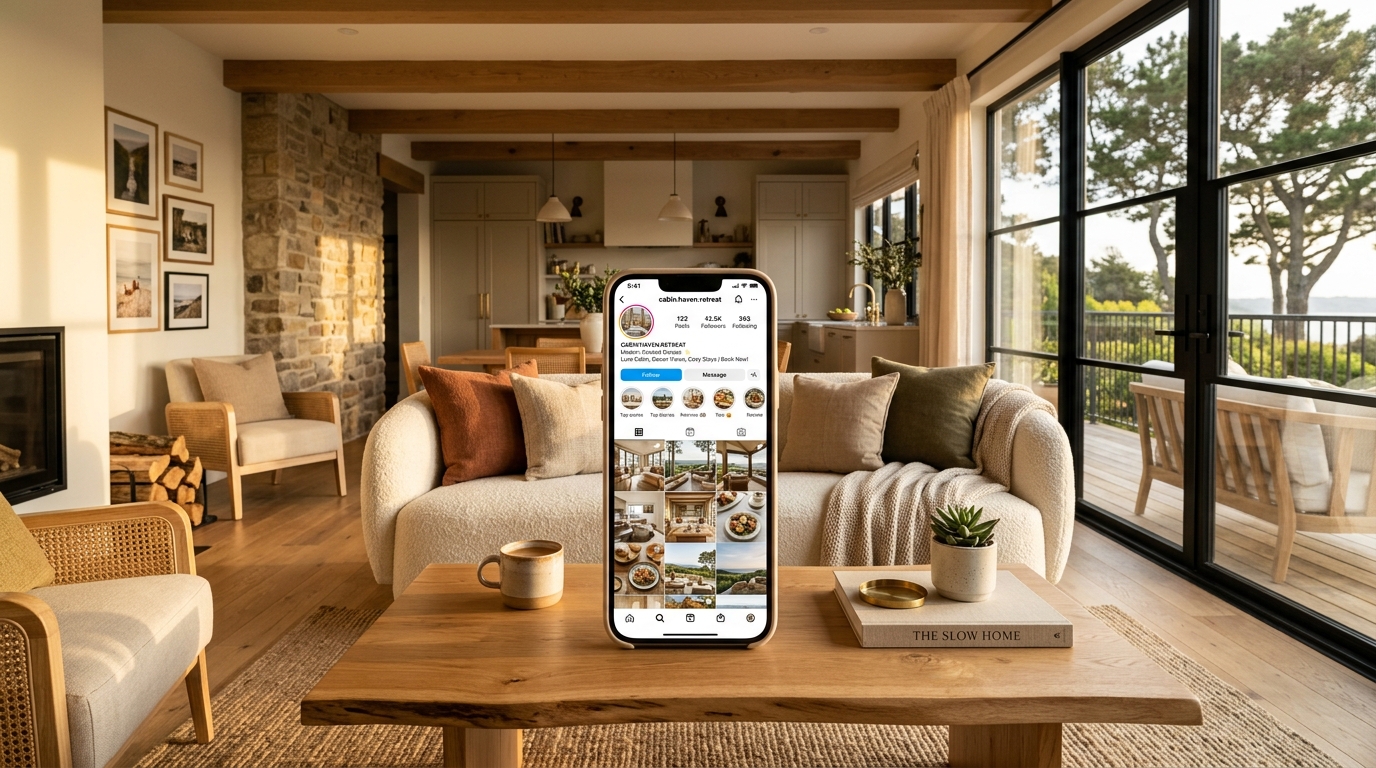
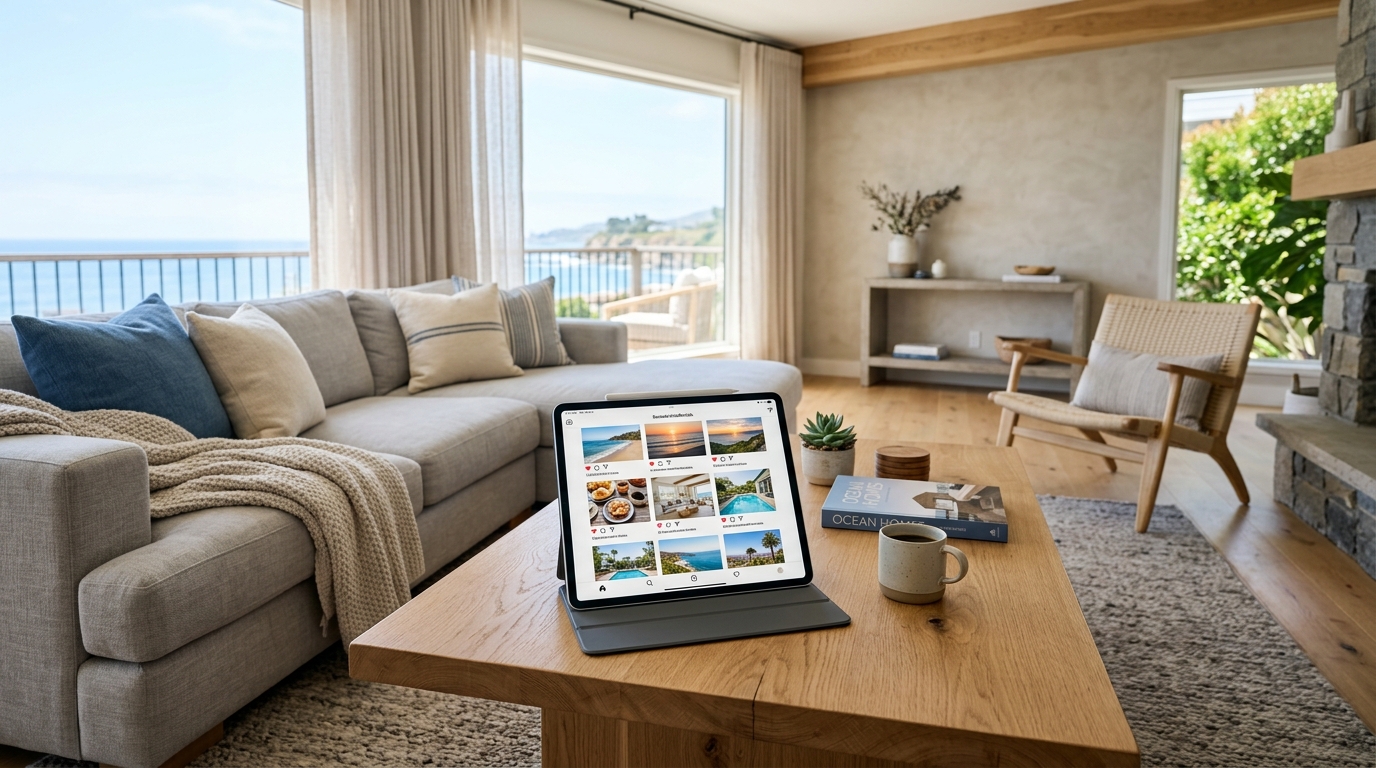
You don't need a presence everywhere at once, and trying to launch on every platform simultaneously is one of the most common ways hosts burn out and quit within a month. Most hosts see the best early results by picking one platform — usually Instagram, given how visual short term rental marketing naturally is — and posting consistently for several months before expanding to a second channel like Facebook.
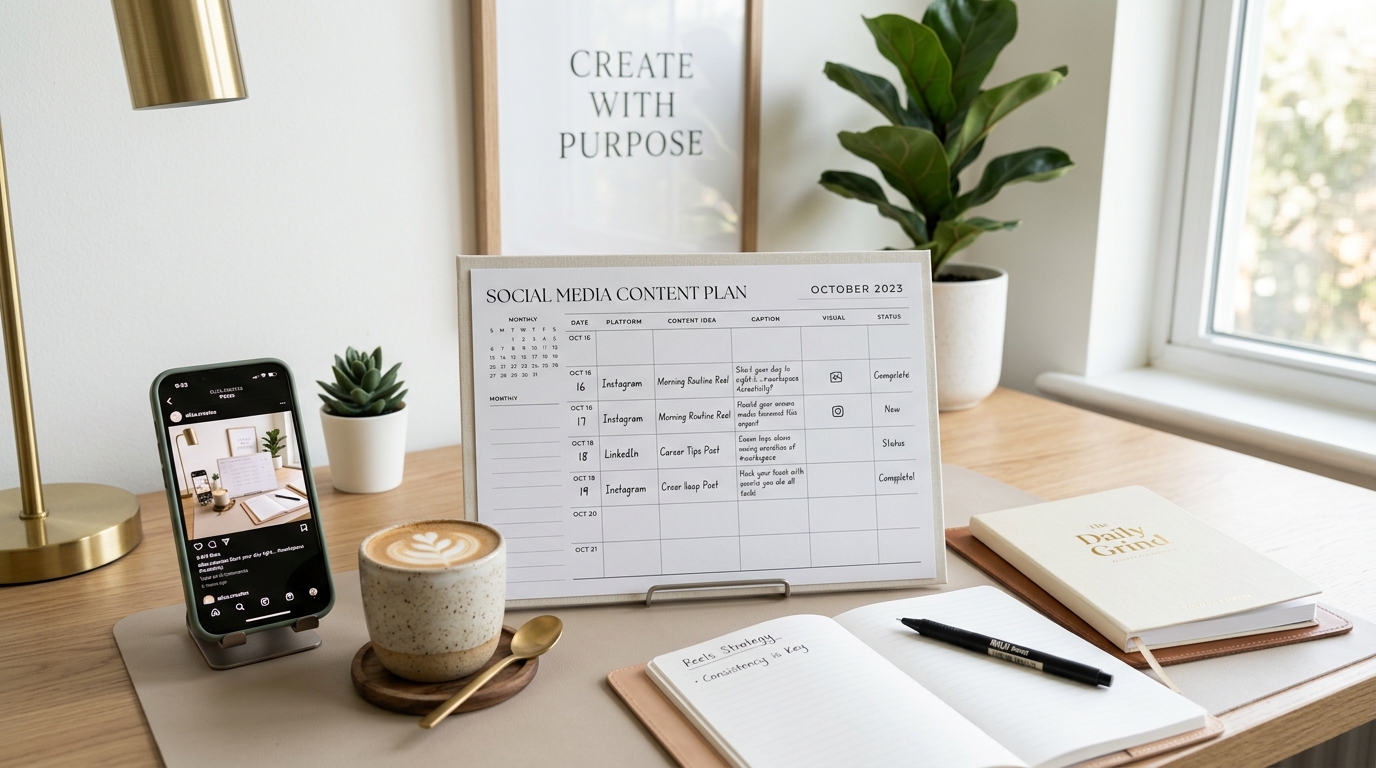
The goal isn't perfection from day one. It's building a habit and a system that can run indefinitely, since the compounding value of a social media presence comes almost entirely from consistency over a long period of time, not from any single standout post.
Where We Fit In
This is the exact gap our done-for-you service closes for hosts. We help build that independent presence — consistent, on-brand content, scheduled and posted for you across Instagram and Facebook — so the brand keeps growing steadily in the background while you focus on the properties themselves, guest communication, and day-to-day operations.
If platform fees have started to feel like an unavoidable cost of doing business, building your own audience is how that starts to change.
Signs You're Too Dependent on One Platform
A few warning signs tend to show up before hosts realize just how exposed they are. If nearly all of your bookings come from a single source, if you have no direct way to contact past guests outside that platform's messaging system, and if you'd have no clear plan for filling your calendar should that platform's traffic drop overnight — those are all signs that it's time to start building a second channel, even in a small way.
None of these signs mean anything is wrong with how you're currently running your properties. They simply point to an opportunity: every month spent building an independent audience is a month of reduced exposure to changes you don't control.
A Realistic Timeline for Building an Independent Brand
Building a meaningful direct-booking audience isn't an overnight project, and it's worth setting realistic expectations from the start. Most hosts see early signs of traction — profile visits, direct messages, a handful of guests mentioning they found you on Instagram — within the first two to three months of consistent posting. A noticeable share of bookings shifting toward direct channels typically takes longer, often six months to a year of sustained, consistent content.
The hosts who succeed at this treat it the same way they'd treat any long-term investment in their business: a steady, unglamorous effort that compounds quietly in the background until, one day, it's a meaningful part of how new guests find them.
Measuring Progress Along the Way
Because the payoff from an independent brand builds gradually, it helps to track a few simple indicators along the way instead of waiting for a dramatic before-and-after moment. Follower growth, direct messages asking about availability, and guests specifically mentioning they found you through Instagram or Facebook are all early signs the strategy is working, well before a large share of bookings has actually shifted away from third-party platforms.
Reviewing these signals monthly — rather than obsessing over them daily — gives a much more accurate picture of whether the effort is paying off, and helps avoid the common mistake of abandoning a strategy after only a few weeks simply because the results aren't dramatic yet.